Lately, the textile world has been going through some pretty exciting changes, especially with the arrival of Metal Fiber Mixed Yarn. This cool new material mixes traditional fibers with metal ones, making Fabrics tougher and more functional. I came across a report from the International Textile Manufacturers Federation that said demand for these specialized textiles is actually climbing by about 15% every year. Honestly, Metal Fiber Mixed Yarn really seems like a game-changer, especially for stuff that needs to be super strong or good at carrying heat.
Dr. Richard Hawking, who’s pretty well-known in textile engineering circles, also thinks so. He said, “Metal Fiber Mixed Yarn is basically the future of textile innovation.” His words really highlight just how much importance is being placed on metal fibers, like Stainless Steel metal fiber sliver, especially in hybrid Yarns. These materials—think Metal draw-cut fiber and Metal cut short fiber—are helping fabrics perform way better, whether it’s in cars or electronics.
That said, it’s not all smooth sailing. There are some hurdles, especially when it comes to manufacturing and costs. Producers really need to figure out how to manage these issues if they want to fully take advantage of materials like Stainless steel mixed sliver and Metal cut staple fibers. All in all, I’d say the benefits of Metal Fiber Mixed Yarn are pretty obvious, but the industry still has some work to do in perfecting the process to really reap the rewards.
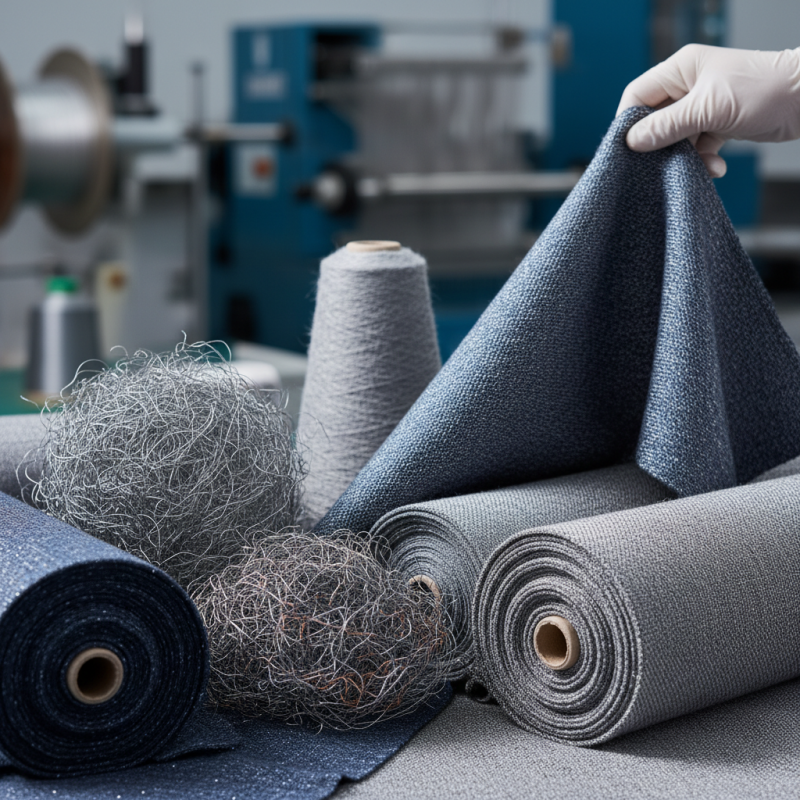
Overview of Metal Fiber Mixed Yarn in Textile Manufacturing
Metal fiber mixed yarn is gaining attention in textile manufacturing. This innovative material combines the strength of metal fibers with traditional textile fibers, such as cotton or polyester. Such a blend creates fabrics that are not only durable but also offer unique functionalities. For example, metal fibers can enhance thermal conductivity and electromagnetic shielding, making the textiles suitable for specialized applications.
The presence of metal fibers improves the mechanical properties of the yarn. Fabrics made from metal fiber mixed yarn exhibit increased tear resistance and improved wear life. These attributes make them ideal for technical textiles used in industries ranging from automotive to healthcare. However, manufacturers must carefully evaluate their processes.
The increase in complexity could lead to higher production costs and require more sophisticated machinery.
When working with metal fiber mixed yarn, remember to assess the right blend for your needs. A small percentage may provide sufficient strength without compromising fabric comfort. Testing different fiber ratios can yield surprising results. Be open to experimentation. The perfect recipe often requires adjustments and considerations based on end-use.
Incorporating metal fibers can be transformative, but it isn’t without challenges. Manufacturers should contemplate the end-user experience. Heavy metal content might lead to stiffness, which can be a drawback for everyday clothing. A balance between functionality and comfort is crucial. Always seek feedback from users to refine the product.
Composition and Properties of Metal Fiber Mixed Yarn
Metal fiber mixed yarn is created through the combination of metal fibers and natural or synthetic staple fibers. This unique composition enhances the functional properties of textiles. The addition of metal fibers can improve conductivity, durability, and thermal regulation. These features make metal fiber mixed yarn ideal for various applications, including workwear and safety garments.
Crafting these yarns requires precise knowledge of fiber characteristics. Metal cutting staple fibers have a distinct structure that influences how they behave in blends. Understanding these properties is essential for achieving the desired outcomes. Often, manufacturers face challenges in balancing metal and staple fiber ratios. This necessitates constant adjustments and testing to ensure optimal performance.
Tips: When working with metal mixed staples, consider the fabric's end use. Conduct tests to determine how metal content affects properties like breathability. Always reflect on the production process to identify possible improvements. Balancing innovation with practical applications can lead to better products.
Embrace the experimentation phase; some mixtures may surprise you with their effectiveness.
Advantages of Metal Fiber in Enhancing Yarn Durability
Metal fiber mixed yarn offers remarkable benefits in manufacturing, particularly in enhancing fabric durability. Metal fibers, combined with natural or synthetic materials, create a resilient yarn. This advanced composition resists wear and tear, ensuring that the final fabric lasts longer. Consumers appreciate clothing that withstands daily challenges without compromising comfort.
The integration of metal fibers, like those found in Bulletproof 1000d Aramid Yarn, brings a unique strength. For instance, Ballistic Kevlar Aramid Fiber Yarn can withstand extreme conditions. This is vital for industries where safety and durability are paramount. Metals also contribute to heat insulation, making the fabric suitable for various environments. Yellow heat insulation aramid preoxygenated fibers improve protective qualities while adding a stylish touch.
While the advantages are evident, there are challenges in production. Maintaining consistent quality across different batches can be tricky. Sometimes, the blend may not meet desired specifications, leading to weaker fabric in some instances. Manufacturers must refine their processes continually. Despite these challenges, the potential of mixed metal fiber yarn is too significant to overlook. This innovative approach continues to reshuffle the textile landscape.
Applications of Metal Fiber Mixed Yarn in Various Industries
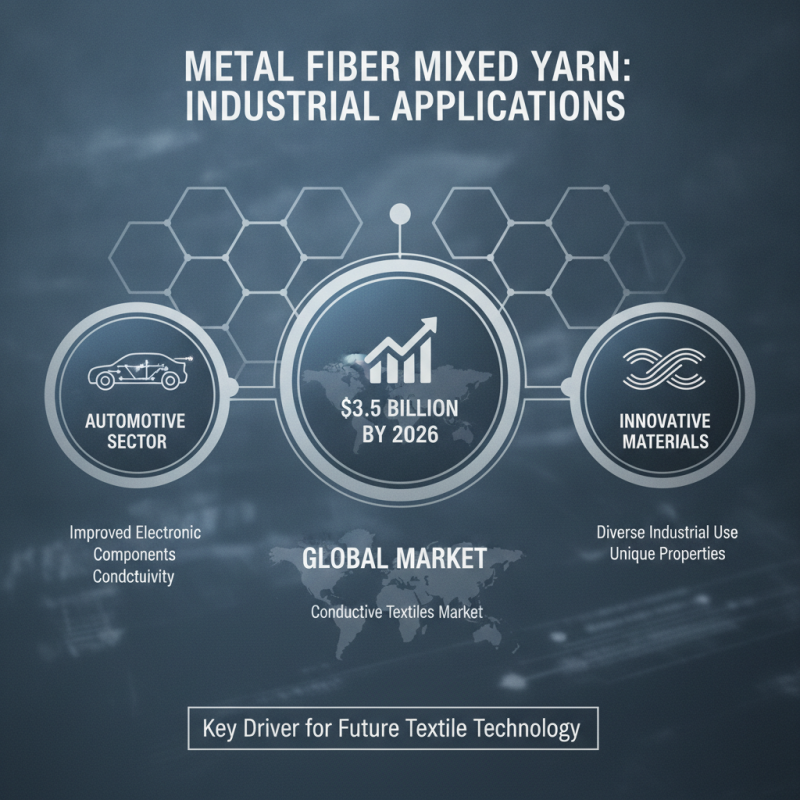
Metal fiber mixed yarn has gained traction across various industries due to its unique properties. In the automotive sector, its conductivity improves electronic components. Reports indicate that the global market for conductive textiles is expected to reach $3.5 billion by 2026, driving demand for innovative materials.
In the aerospace industry, metal fiber mixed yarn enhances fire resistance. This property is crucial for ensuring safety in flight. Additionally, the yarn's lightweight nature contributes to fuel efficiency by reducing overall aircraft weight. A recent study highlighted that using advanced materials can lead to a 15% reduction in fuel consumption.
**Tip:** When considering metal fiber mixed yarn, evaluate its environmental impact. Sustainable practices are becoming essential in manufacturing processes.
In the healthcare sector, these yarns play a vital role in producing antimicrobial textiles. Hospitals increasingly use them to reduce infection rates. By weaving metal fibers into fabrics, medical professionals benefit from improved hygiene. Effective infection control could reduce hospital-acquired infections by as much as 30%.
**Tip:** Regularly assess the performance of metal fiber textiles. This ensures they meet industry standards and safety regulations. Regular testing can prevent costly failures.
Cost-Effectiveness of Metal Fiber Mixed Yarn Production
Metal fiber mixed yarn offers significant cost-effectiveness in manufacturing, especially in industries like textiles and composites. The combination of metal fibers with polyester mixed fiber creates products that are both durable and lightweight. According to the latest industry report, the incorporation of metal fibers can reduce production downtime by 15%. This efficiency leads to lower operational costs.
Additionally, metal fiber mixed yarn can enhance product performance. For instance, it improves thermal conductivity and electromagnetic shielding. A recent study showed that textiles made from metal fiber with polyester mixed fiber can reduce heat retention by up to 20%. This performance can lead to higher customer satisfaction and lower return rates.
However, there are challenges to consider. The initial investment for advanced spinning technology can be high. Manufacturers need to balance this cost against the long-term benefits. There is also a learning curve in adapting to new materials and processes. Ultimately, the benefits of using metal fiber mixed yarn can outweigh these initial hurdles, but careful planning is essential.
What are the Benefits of Metal Fiber Mixed Yarn for Manufacturing? - Cost-Effectiveness of Metal Fiber Mixed Yarn Production
| Benefit | Description | Cost-Effectiveness |
| Durability | Metal fibers enhance the lifespan of textiles, reducing replacement frequency. | Lower long-term costs due to less frequent replacements. |
| Conductivity | Metal fiber mixed yarn provides conductivity for electronic applications. | Cost-effective for producing smart textiles with integrated technology. |
| Thermal Resistance | Offers heat resistance, beneficial for protective clothing. | Saves costs on safety gear by enhancing performance with less material. |
| Aesthetic Flexibility | Can be blended with various fibers for diverse textures and finishes. | Reduces the need for additional treatments, saving production costs. |
| Reduced Environmental Impact | Longevity and functionality decrease waste and resource use. | Potential savings in compliance costs with sustainability regulations. |
Environmental Impact and Sustainability of Metal Fiber Yarns
The environmental impact of metal fiber yarns has become a focal point in sustainable manufacturing. Metal fiber mixed yarn, especially when combined with polyester, offers enhanced durability and reduces waste in production. This innovative approach can lead to lower energy consumption, contributing to greener operations. According to a report by the Textile Sustainability Foundation, using metal fiber with polyester mixed fiber can cut down production waste by up to 30%.
Industry experts emphasize the need for a shift towards sustainable materials. Metal fibers enhance the lifespan of textiles, resulting in less frequent replacements. Although these materials are resilient, they still raise questions about their recyclability. The combination of metal fibers with traditional fibers creates a challenge for recycling processes. More research is needed to optimize material recovery and reusability.
Tip: When sourcing materials, inquire about the sustainability practices of your suppliers. Transparent sourcing can significantly reduce your environmental footprint.
Incorporating metal fibers can lead to innovative applications, yet challenges remain. Companies must weigh the ecological footprint against the benefits. Embracing a holistic view of production processes is essential for true sustainability. Feasibility studies can help assess potential impacts and areas for improvement.
Future Trends in Metal Fiber Mixed Yarn Technology and Usage
Metal fiber mixed yarn technology is gaining traction in various manufacturing sectors. Companies are beginning to recognize its unique properties. This yarn integrates metal fibers with traditional materials like cotton or polyester. The benefits are evident in enhanced durability and conductivity. As industries demand smarter fabrics, this technology is set to rise.
Future trends suggest a shift toward sustainability. Manufacturers are exploring recycled metal fibers mixed into yarns. This approach not only reduces waste but also maintains performance. Innovation in this area could redefine product development. Brands that adapt will likely lead in growth and consumer trust.
Tips: Experiment with various blends to find the optimal mix for your application. Testing different ratios of metal to traditional fibers can yield surprising results. Always keep an open mind to adjustment; market needs fluctuate quickly.
Conclusion
Metal Fiber Mixed Yarn has emerged as a significant innovation in textile manufacturing, combining the unique properties of metal fibers with standard yarns to enhance their performance. This type of yarn is composed of a mixture of traditional textile fibers and metallic strands, resulting in improved durability and strength. The incorporation of metal fibers not only enhances the overall durability of the yarn but also opens up a variety of applications across different industries, from technical textiles to fashion.
Moreover, the production of Metal Fiber Mixed Yarn is becoming increasingly cost-effective, making it an attractive option for manufacturers. Importantly, the environmental impact of these yarns is being addressed through sustainable practices, positioning Metal Fiber Mixed Yarn as a forward-thinking choice in textile technology. As the industry evolves, future trends may reveal even more innovative uses and techniques, further highlighting the potential of this unique material in enhancing both functionality and sustainability in textiles.