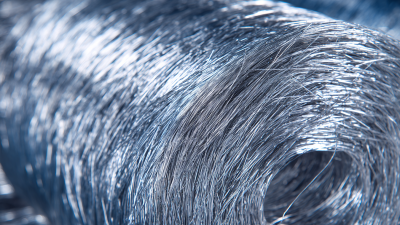
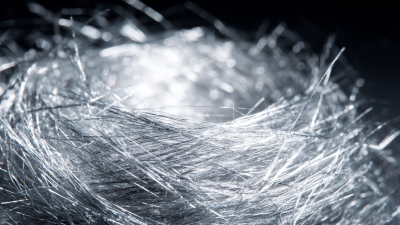
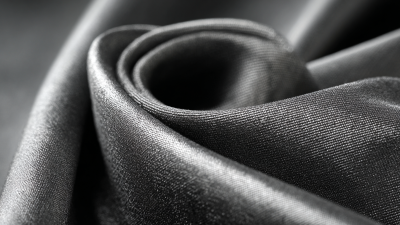
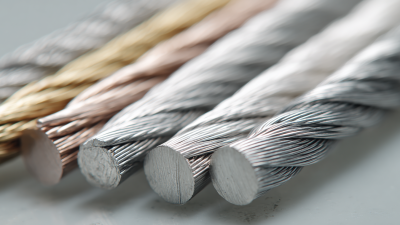
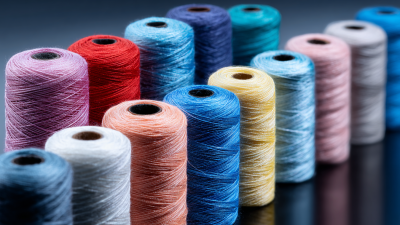
Lately, there's been a real buzz around the demand for innovative textiles, and Metal Silver Fiber is definitely catching everyone's attention. I came across a report from Research and Markets, and it looks like the global market for advanced materials is set to grow a lot by 2026. What's making Metal Silver Fiber stand out? It’s got some pretty cool features—antibacterial properties and excellent conductivity—that make it super appealing. Big players like E.I. du Pont de Nemours and Co. are pouring serious investments into these fibers, which says a lot about their potential.
People see tons of possibilities for Metal Silver Fiber, especially in healthcare and smart textiles. Mixing in stainless steel silver boosts durability without sacrificing flexibility, so clothing made with these fibers can do more—like fighting bacteria, which is a big deal these days with health concerns everywhere. It’s pretty exciting to think about how clothing could evolve to have these kinds of antimicrobial properties.
That said, there are some worries about sustainability. Manufacturing these fibers can take up a lot of resources, and there's ongoing debate about the environmental footprint of synthetic materials like these. It’s important for companies to think about this stuff if they want to stay responsible while innovating. Moving forward, the conversation around Metal Silver Fiber is going to need to find a good balance between top-notch performance and being eco-friendly—definitely a challenge for the industry to tackle.

Benefits of Metal Silver Fiber: An Overview
Metal silver fiber offers unique advantages in various applications. One key benefit is its conductivity. This material can efficiently transmit electrical signals, enhancing the performance of electronic textiles and making them more reliable. In 2026, we anticipate the integration of ultra-fine metal fiber twisted wire into clothing will be more common. These fabrics can track heart rates or perform other health-related functions.
Comfort is another significant factor. Metal silver fiber is lightweight and breathable. Fabrics made from stainless steel metal sliver are often softer than expected, making them comfortable for daily wear, contrary to traditional metal fibers. However, the durability of these textiles is a concern; some may experience diminished quality over time.
As developments continue, the focus will shift to sustainability. Finding eco-friendly production methods is challenging. While metal silver fibers have benefits, they also require careful consideration. The impact on the environment cannot be ignored. The balance between innovation and responsibility remains crucial in this growing field.
Enhanced Antimicrobial Properties of Silver Fiber
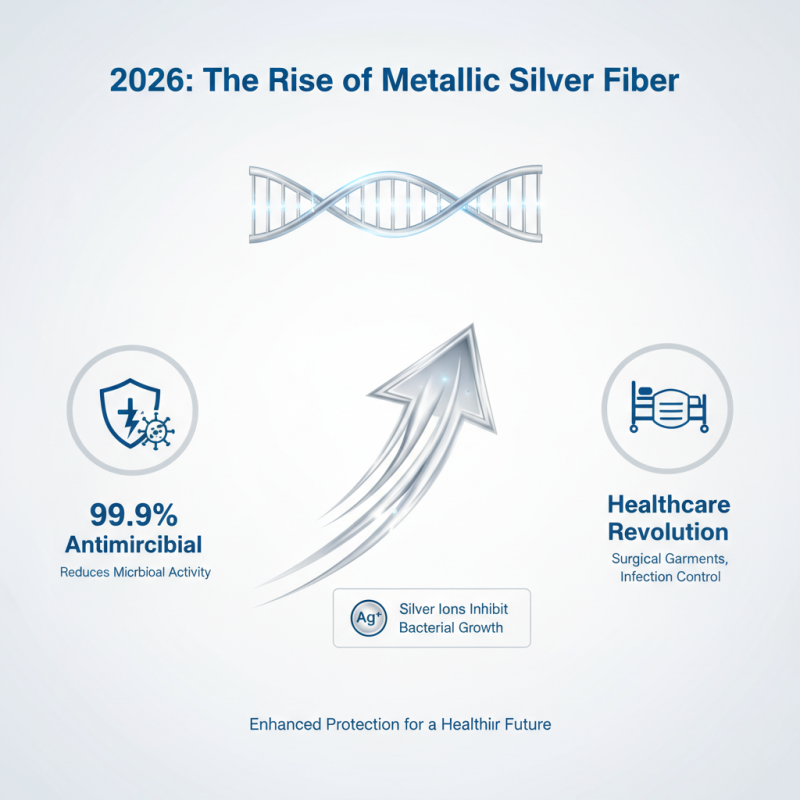
In 2026, the use of metal silver fiber has gained momentum due to its enhanced antimicrobial properties. Studies show that silver fiber can reduce microbial activity by up to 99.9%. This remarkable effect is especially valuable in healthcare settings, where infection control is critical. The presence of silver ions inhibits bacterial growth, making it an ideal material for surgical garments and linens.
Beyond healthcare, silver fiber is making its way into everyday clothing. Consumers are increasingly aware of hygiene, pushing demand for fabrics that offer protection. Reports indicate that the market for antimicrobial textiles is projected to reach $11.5 billion by 2027. However, challenges remain in durability. Some silver fibers lose efficacy after multiple washes, raising concerns for long-term use.
Moreover, not all silver fibers are created equal. Variability in production can affect the uniformity of antimicrobial properties. This inconsistency may lead to products that do not meet consumer expectations. Understanding these factors is essential for manufacturers as they navigate this evolving market. The potential of silver fiber is clear, yet further innovation is needed to ensure sustainable effectiveness.
Silver Fiber in Healthcare: Reducing Infections and Improving Hygiene
The use of metal silver fiber in healthcare is becoming increasingly important. Conductive Silver Fiber Fabric has shown promising results in reducing infections. According to recent industry reports, the antimicrobial properties of silver can lower pathogen levels by up to 99% in treated fabrics. This statistic highlights the effectiveness of Antimicrobial Silver Fiber Fabric in controlling bacterial growth.
In surgical settings, hygiene is crucial. Hospitals face challenges with infection rates. The integration of Functional Silver Fiber Fabric into sterile environments could significantly enhance patient safety. Studies indicate that the use of silver fibers can reduce the incidence of healthcare-associated infections. This potential is encouraging, yet questions remain about cost and scalability.
While the benefits are clear, implementation is not without challenges. Some healthcare providers express concerns about durability and washing resistance of these fabrics. Continuous research is necessary to address these issues. Reflection on these challenges is vital for improving silver fiber technologies. Understanding their limitations will help maximize their advantages in healthcare settings.
The Role of Silver Fiber in Wearable Technology and Smart Fabrics
The use of metal silver fiber is transforming wearable technology and smart fabrics in exciting ways. This innovative material offers unique benefits, particularly in high-temperature applications. The heat resistance of metal silver fiber is remarkable. It can withstand temperatures up to 650 degrees. This makes it perfect for specialized garments used in extreme conditions.
Tips: When choosing fabrics for your wearable tech, consider temperature resilience. Metal silver fiber can add durability while maintaining comfort.
Moreover, metal silver fiber inherently offers antibacterial properties. This is crucial for health-focused wearables. Reducing microbial growth can enhance user safety. However, the application can be tricky. The balance between comfort and functionality is essential.
Tips: Always evaluate how a fabric feels against the skin. Not all high-tech materials provide the same comfort level.
Combining high-tech features with everyday usability is where silver fiber shines. Metal fabric with high temperature resistance can revolutionize industries. Yet, manufacturers must reflect on the environmental impact of production. Sustainability should be a priority in future innovations.
Improved Thermal Regulation and Comfort with Silver Fiber
In 2026, metal silver fiber is changing the game in thermal regulation. This innovative material offers remarkable properties that significantly enhance comfort. Silver fibers provide better heat retention in cold weather while preventing overheating in warm conditions. This duality makes it ideal for various climates and activities, such as winter sports or summer outdoor events.
The use of silver fiber can also affect moisture management. Unlike traditional fabrics, it helps wick sweat away from the skin. Staying dry contributes to overall comfort, especially during vigorous activities. However, achieving the right balance in moisture control can still be tricky. Some users report that fabric can feel damp if not designed correctly. This highlights the importance of proper textile engineering and oversight.
Beyond comfort, silver fibers possess inherent antimicrobial properties. This aspect can help reduce odor and bacteria growth. However, reliance on these features can lead to overconfidence. Users might neglect regular washing, which is still essential for hygiene. The interaction of silver fibers with body temperature and moisture continues to invite exploration, suggesting a need for ongoing refinement in textile technology.
Sustainability Aspects of Metal Silver Fiber in Textiles
Metal silver fiber is gaining traction in textiles for its sustainability features. It is known for its antibacterial properties, which reduce the need for harmful chemicals in fabric treatments. A recent report estimates that incorporating silver fibers could decrease microbial growth by over 90%. This is vital in sectors like healthcare, where hygiene is a priority.
The production of metal silver fiber is often more eco-friendly than traditional fibers. Studies show that the energy required to produce silver fibers is comparatively lower. Additionally, these fibers are durable, which means longer-lasting textiles that reduce waste. The industry is moving towards using "Customized 5 10 15 20 Micron SS316L Stainless Steel Titanium Metal Sintered Fiber Felt" in various applications, enhancing both performance and sustainability in fabrics.
However, not everything about metal silver fiber is perfect. The recyclability of these fibers poses challenges. Current recycling methods are often not equipped to handle composites with metal content. As the market grows, the need for improved recycling technologies becomes crucial. This reflection on current practices invites a discussion on how to make metal fiber textiles even greener.
Future Innovations and Applications of Silver Fiber by 2026
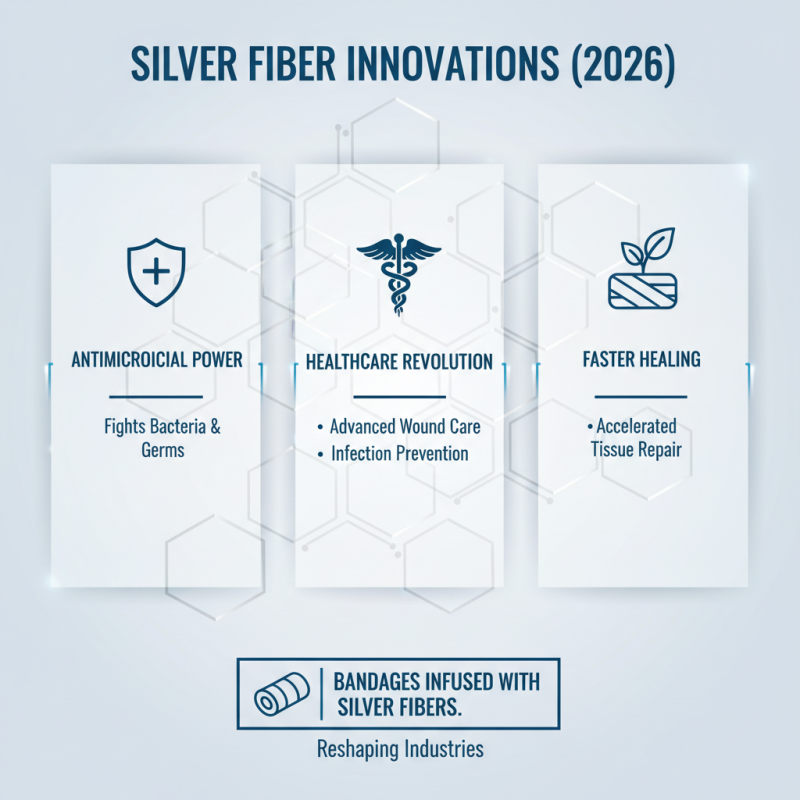
In 2026, innovations in silver fiber technology will reshape various industries. Silver fiber is known for its antimicrobial properties. This makes it valuable in healthcare, especially for textiles. Imagine bandages infused with silver fibers. They can prevent infections and promote faster healing.
Beyond healthcare, silver fibers will transform fashion and wearables. Smart clothing featuring silver fibers can monitor body temperature and heart rate. This could lead to a revolution in personal health management. Yet, questions remain about the long-term safety of such textiles. Are we truly aware of the environmental impact?
Moreover, silver fibers can enhance conductivity in electronics. As devices become smaller, efficient materials are necessary. Silver fibers could play a pivotal role in this evolution. Nevertheless, we should reflect on the ethical implications of mass production. Balancing innovation with responsibility is essential as we advance into this new era.
Conclusion
Metal Silver Fiber is poised to deliver numerous benefits by 2026, making it a key component in various industries. Its enhanced antimicrobial properties are particularly significant in healthcare settings, where it can reduce infections and improve hygiene standards. Additionally, the integration of Metal Silver Fiber in wearable technology and smart fabrics promises to revolutionize clothing, offering improved thermal regulation and comfort for users.
Sustainability is another critical aspect, as Metal Silver Fiber can contribute to eco-friendly textile solutions. As innovations and applications evolve, the versatility of Metal Silver Fiber is expected to expand, paving the way for its integration in diverse fields, from medical textiles to advanced consumer wearables, enhancing quality of life and promoting health-conscious living.